
Vitamin D Deficiency: Bring me sunshine or do I need a supplement?
The short answer:
Yes, in temperate countries such as the UK, as the NHS advises, taking a vitamin D supplement is something adults and children should strongly consider in the winter months.
A real life example
A couple of years ago, results of a blood test revealed that my vitamin D was sufficiently low that my GP prescribed a short course of hefty supplements for me. Despite my nutritionist training, I believed that my diet, which contains many of the vitamin D rich foods, together with walking around in daylight hours on the school run, would be sufficient to keep my vitamin D at a safe level, even in the British winter. However, one of the hazards of living in the UK is that, in the winter months, many of us (and I am clearly no exception) struggle to achieve this.
I am not alone!
The most recent National Diet and Nutrition Survey (NDNS) found that in the UK during January to March the number of people with vitamin D levels below the threshold, indicating a risk of deficiency, was between 21% - 38%, depending on age and gender.
What Vitamin D does for the body
Strictly speaking, vitamin D is not a vitamin and is actually a precursor to one of the hormones involved in the regulation of calcium in the blood. The main physiological function of vitamin D is therefore to help control serum calcium levels, and conversely, the metabolism of vitamin D is regulated by the calcium balance in the blood.
What are the sources of vitamin D?
There are very few rich dietary sources of vitamin D, although limited amounts are found in oily fish, eggs, full fat milk products and liver.
No common plant foods contain significant amounts of vitamin D.
However, dietary sources of vitamin D are relatively unimportant compared with endogenous synthesis in the skin. That is, it is difficult to get enough vitamin D from our food and most of us need sunlight to boost our vitamin D to healthy levels.
What is the link between low vitamin D and health?
Vitamin D deficiency can cause rickets in children and adolescents which causes distortion of the bones. In adults, deficiency can lead to osteomalacia, which is a progressive demineralisation of bone, leading to bone pain, skeletal deformities and muscle weakness.
Researchers are still working to understand the precise role vitamin D plays in osteoporosis, which is the loss of bone mineral affecting many people (especially women) as they grow older. Supplements of vitamin D and calcium are frequently used to treat the condition, but whether vitamin D can help prevent the condition remains unclear.
Studies of subjects with a lowered vitamin D status have reported other less serious effects, such as more frequent infections, fatigue and excessive tiredness, back pain, depression and hair loss, although most of these require further research.
What is the link between high vitamin D and health?
There is growing evidence that higher vitamin D status may be protective against certain cancers, such as prostate and colorectal cancer, and against pre-diabetes and metabolic syndrome, but the protective levels of vitamin D required are likely to be much greater than can be achieved from dietary sources.
Of course, if sun exposure is increased in order to increase vitamin D levels, this increases the risk of skin cancer. Also, a high intake of supplemented vitamin D may be toxic and can result in hypercalcaemia and calcinosis.
Thus, the possibility of increasing vitamin D to high levels in order to benefit health requires further research before recommendations can be made.
Who is most at risk?
People who live further from the equator, older adults and young children (especially breastfed babies) are at increased risk of vitamin D deficiency. Those who spend a lot of time indoors during the day, and people who cover their skin much of the time with either sunscreen or clothing are also at risk. Being vegetarian or vegan may also confer a greater risk of being low in vitamin D.
Should I be taking a vitamin D supplement?
Although I generally advise not to take nutritional supplements and instead enjoy a mixed, balanced and healthy diet to obtain all the required macronutrients and micronutrients, vitamin D is one exception. This is because it is very difficult to get enough vitamin D from diet alone and in the winter months in the UK it is very difficult to get enough vitamin D from sunlight.
What are the current UK recommendations?
In 2016, the Scientific Advisory Committee on Nutrition (SACN) published an evidence review of Vitamin D and set a new Reference Nutrient Intake (RNI) for adults and children of all ages, replacing previous advice that the RNI was required only for children under 4 years and older adults aged 65 years and over.
On the basis of advice from Public Health England (PHE), the NHS now recommends that people aged 5 and older are likely to obtain sufficient vitamin D from sunshine and a healthy balanced diet in the summer months. However, everyone over the age of 5 should “consider” taking an over the counter daily supplement containing 10µg vitamin D during the autumn and winter months. Those who have very little exposure to the sun, and all children aged under 5 should consider taking supplements year-round. They recommend that children aged between one and four years should be given a daily supplement containing 10µg vitamin D and 8.5 - 10µg vitamin D for infants under 1, unless they are receiving at least 500ml of infant formula per day.
It is widely agreed that a minimum level of vitamin D is necessary, but that taking more than this is unlikely to make any positive difference. Therefore, in temperate countries such as the UK, as PHE advises, taking a vitamin D supplement is something adults and children should strongly consider, at least in the winter months (I take mine all year round). You don’t need a prescription for this: supplements are readily available from supermarkets and pharmacies.
Apart from vitamin D, I do not routinely suggest any other supplements to my clients. I am a ‘Food First’ registered nutritionist and believe that unless there are underlying health issues, most people can find the nutrients they need from their food. If you want to explore eating well further, have a browse at my workshops and courses in my Group Coaching Programmes.
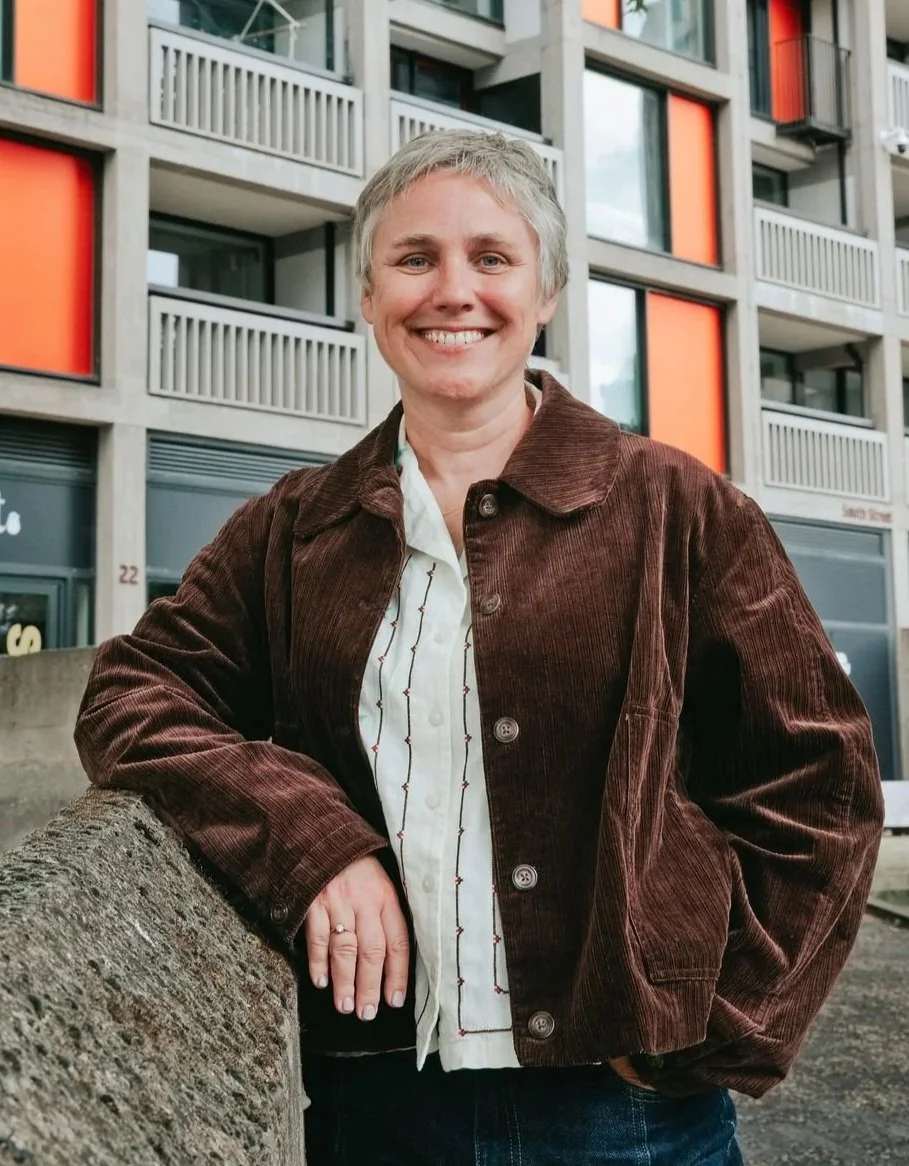
Hi, I’m Helen
I am a Registered Nutritionist, supporting people to find clarity, flexibility and calm around food.
Whether you're looking for a speaker who will shift the way your audience thinks about food, or you need support to transform your own relationship with food…. contact me HERE.